How HVAC Professionals Assess Ductwork Conditions in Homes
Proper ductwork plays a vital role in maintaining consistent airflow and indoor comfort, yet many homeowners are unaware of its condition until problems arise. HVAC professionals use a range of inspection techniques to evaluate duct systems, including checking for leaks, blockages, and structural wear that may affect performance. A Professional HVAC company in midlothian allows for a thorough assessment using specialized tools and expertise to identify hidden issues. These evaluations help determine how efficiently air is distributed throughout the home and whether repairs or upgrades are needed. This article explores how HVAC experts assess ductwork conditions to ensure optimal system performance.
Evaluating Airflow and Distribution Efficiency
Airflow is a key indicator of ductwork performance, and professionals assess how evenly air is distributed throughout the home. Variations in airflow can suggest obstructions, leaks, or imbalances within the duct system. By observing how air moves through vents and returns, HVAC specialists can determine whether the system is functioning as intended. They consider factors such as pressure differences and airflow consistency in each room. When airflow is uneven or restricted, it often points to underlying issues that affect the efficiency of the entire heating and cooling system. This evaluation provides insight into how effectively the ductwork supports overall system performance.
Inspecting for Leaks and Structural Integrity
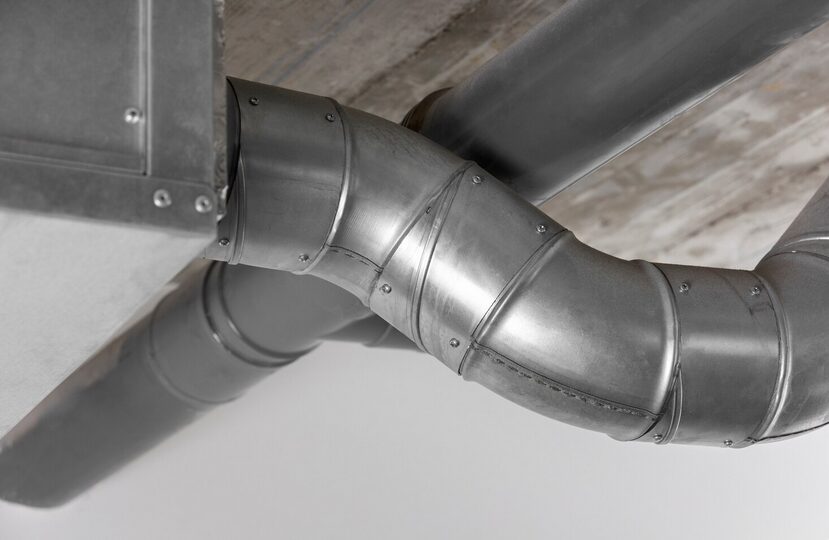 The physical condition of ductwork plays a significant role in its effectiveness. HVAC professionals carefully examine ducts for signs of leaks, disconnections, or damage that may allow conditioned air to escape. Even small gaps or poorly sealed joints can reduce efficiency and impact indoor comfort. Structural integrity is also assessed to ensure that ducts maintain their shape and alignment, as any deformation can restrict airflow. This inspection often includes checking insulation around ducts, as damaged or insufficient insulation can lead to energy loss. By identifying these issues, professionals gain a clearer understanding of how well the duct system maintains its intended function.
Assessing Contamination and Internal Cleanliness
The internal condition of ductwork is another important aspect of the assessment process. Over time, dust, debris, and other contaminants can accumulate within the ducts, affecting air quality and airflow. HVAC professionals evaluate the level of buildup and consider how it may influence system performance. This includes examining vents and internal surfaces for signs of excessive accumulation or environmental factors that contribute to contamination. Cleanliness within the duct system is closely linked to how efficiently air circulates and how effectively the system delivers conditioned air throughout the home. Understanding this aspect helps form a complete picture of the ductwork condition.
Analyzing System Compatibility and Performance Integration
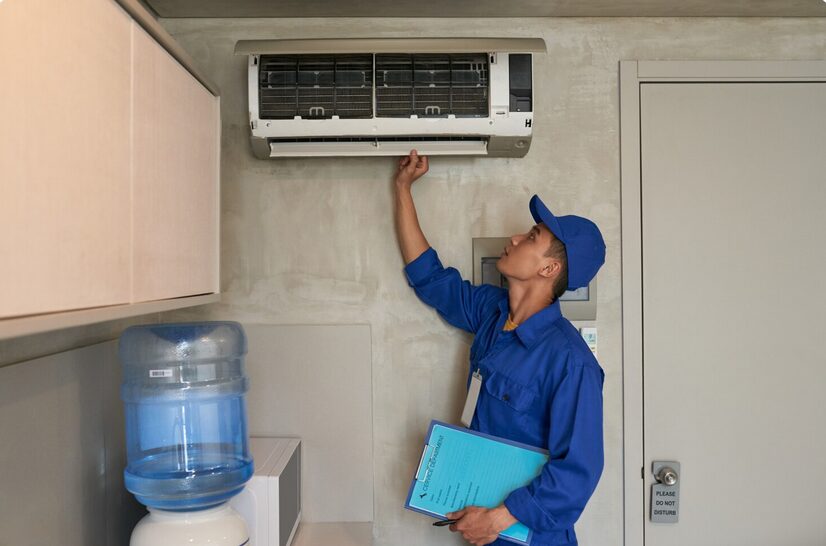 Ductwork does not operate independently; it operates as part of a larger heating and cooling system. HVAC professionals assess how well the duct system aligns with the equipment it serves, including its capacity and design. Mismatched systems can lead to inefficiencies, even if the ductwork itself appears structurally sound. This analysis includes evaluating whether the duct size and configuration support the required airflow and pressure levels. Professionals consider how the ductwork interacts with modern system standards and whether it continues to meet performance expectations. This integrated approach ensures that the assessment reflects both the condition of the ducts and their role within the overall system.
Assessing ductwork conditions involves a comprehensive evaluation of structure, airflow, integrity, cleanliness, and system compatibility. HVAC professionals rely on these factors to understand how effectively the duct system supports heating and cooling functions within a home. By examining both physical and performance-related aspects, they can identify areas where efficiency may be compromised. This thorough assessment process provides valuable insight into how ductwork influences overall system performance and indoor comfort, highlighting the importance of maintaining a well-functioning air distribution network.…